

The human heart is an amazing organ that works tirelessly to keep us alive. About the size of your fist, this muscular pump sits in your chest and beats continuously from before birth until your very last moment [5]. It circulates blood throughout your body, delivering oxygen and nutrients to tissues and carrying away waste. In this article, we’ll explore how often the heart beats (from daily counts to lifetime totals), how heartbeats actually work (the heart’s electrical signals, chambers, and valves), some fascinating facts about the heart’s abilities, and practical tips for keeping your heart healthy.
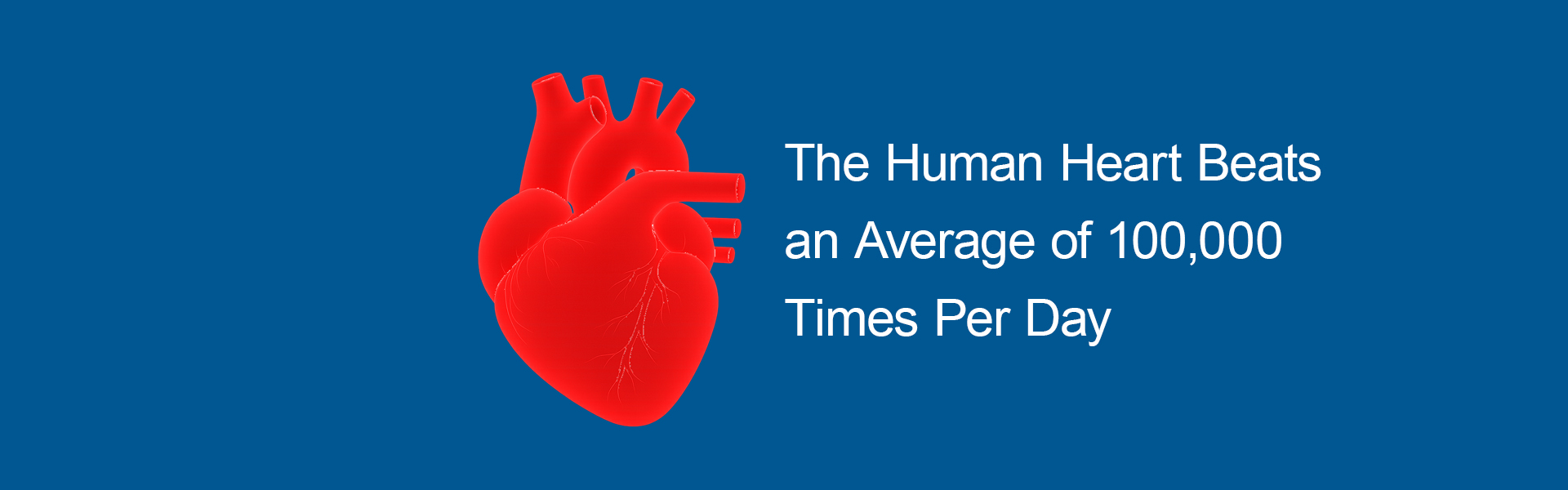
A healthy heart beats thousands of times every hour without us even noticing. On average, an adult heart beats around 60–100 times per minute at rest. Over a full day, that adds up to about 100,000 heartbeats every single day[^1]. This astonishing number means your heart contracts and relaxes over one hundred thousand times in just 24 hours to keep blood flowing. Over longer time spans the totals are even more impressive: in one year, the heart beats on the order of 35–40 million times, and over an average lifetime (let’s say about 70–80 years), a human heart will beat more than 2.5 billion times in total [2]. In fact, an American Heart Association report notes that in a typical 70-year lifespan, an average human heart beats over 2.5 billion times. That’s billions of heartbeats in one lifetime! Of course, these numbers can vary depending on a person’s heart rate – which can be lower in very fit individuals or higher with stress and activity – but they give a sense of the heart’s incredible workload over time.
It’s not just the number of beats that’s remarkable – it’s also the volume of blood moved. Each heartbeat pumps out a surge of blood. Over the course of a day, the heart pumps roughly 2,000 gallons (7,500 liters) of blood through the body [2]. Put another way, your heart is moving about 5 gallons of blood per minute on average. This constant circulation is what delivers vital oxygen to your brain and organs. The combination of high beat counts and large blood volume makes the heart one of the hardest-working muscles in the human body. In fact, the American Heart Association notes that the heart does more physical work than any other muscle in our body.
How does the heart actually beat? The heartbeat is driven by an electrical conduction system within the heart muscle. Unlike skeletal muscles, the heart generates its own electrical impulses to contract in a coordinated rhythm. It all starts at the sinoatrial (SA) node, a small cluster of specialized cells in the right atrium (upper chamber). The SA node is often called the heart’s natural pacemaker – it fires off an electrical signal that spreads through the atria, causing these upper chambers to contract and push blood into the ventricles (the lower chambers). Next, the electrical impulse reaches the atrioventricular (AV) node, which briefly delays the signal to give the ventricles time to fill with blood. From the AV node, the signal travels down the Bundle of His and into the Purkinje fibers that spread throughout the walls of the ventricles. This makes the ventricles contract almost simultaneously, forcing blood out of the heart – the right ventricle sends blood to the lungs to pick up oxygen, and the left ventricle sends oxygen-rich blood out to the rest of the body.
This entire sequence of one heartbeat – atria contracting, then ventricles contracting – happens in a fraction of a second and repeats with each beat. The coordination is crucial: if the timing is off, the heart’s pumping is less efficient. Under normal conditions, the heart’s electrical system keeps a steady rhythm, but it can adjust the speed as needed. For example, during exercise or stress, signals from your nervous system cause the SA node to fire faster, raising your heart rate to pump more blood. When you rest, the signals slow down and your heart rate drops. This flexibility lets the heart constantly respond to the body’s needs.
The heart’s structure supports this one-way pumping cycle. The heart has four chambers – two small atria on top and two larger ventricles below. It also contains four valves (flap-like structures acting as check-valves) that ensure blood flows in the correct direction with each beat. The valves between each atrium and ventricle (the tricuspid on the right, mitral on the left) open to let blood from atria fill the ventricles, then snap shut when the ventricles contract. This prevents backflow into the atria. Likewise, there are valves at the exits of the ventricles (the pulmonary valve on the right ventricle leading to the pulmonary artery, and the aortic valve on the left ventricle leading to the aorta). These open when the ventricles squeeze blood out, then close to prevent blood from leaking backward into the heart. In a healthy heart, the valves open and close perfectly in sync with each heartbeat, so blood moves efficiently forward with no backward leak. The opening and closing of the valves are also what create the characteristic “lub-dub” sounds of your heartbeat [4]. The first heart sound (“lub”) is the sound of the atrioventricular valves (mitral and tricuspid) closing as the ventricles begin to contract, and the second sound (“dub”) is the closing of the aortic and pulmonary valves as the ventricles finish contracting. This rhythmic lub-dub repeats with every heartbeat, reflecting the precise timing of the valves and chambers working together.
The heart’s extraordinary job comes with some fascinating facts and figures. Here are a few amazing aspects of the human heart:
Hardest-Working Muscle: The human heart is often said to be the hardest-working muscle in the body. In terms of sheer output, it beats about 100,000+ times per day and pumps roughly 2,000 gallons of blood daily [1][2]. Over an average lifetime, that’s more than 2.5 billion heartbeats in total. No other muscle works at such a continuous pace – truly an endurance champion! It’s no wonder the heart does more physical work than any other muscle over a lifetime.
Surprising Size and Strength: Despite its mighty work, the heart is relatively small – about the size of your clenched fist in an adult [5]. It weighs less than a pound (roughly 250–350 grams). This compact organ’s muscular walls (made of a special muscle type called myocardium) are incredibly strong. When the heart contracts, it generates enough pressure to send blood spurting a distance (in fact, if the aorta is opened, the pressure could theoretically squirt blood several feet!). The left ventricle, the strongest chamber, creates the high pressure that maintains blood flow throughout your entire body.
Built-In Electrical System: The heart can generate its own electrical impulses, which means it can continue to beat even outside of the body for a short time, as long as it has an oxygen supply [5]. This phenomenon is possible because the SA node keeps firing on its own – it doesn’t require direct nerve commands for each beat. Of course, outside the body the heart won’t keep beating indefinitely without circulation and oxygen, but this fact illustrates the heart’s autonomy. The heart truly has a mind of its own (in a manner of speaking) when it comes to rhythm – a property called myogenic activity.
Vast Blood Vessel Network: The heart pumps blood into an amazingly extensive network of blood vessels. If you were to stretch out all the blood vessels in the human body, they would extend over 60,000 miles – enough to circle the Earth twice [6]! All that length is packed inside your body, and your heart manages to keep blood moving through this entire circulatory system. This fact highlights how efficient and powerful the heart’s pumping action is, reaching every corner of your body from your head to your toes.
These facts underscore what an astonishing organ the heart is – small but powerful, tirelessly beating and pumping to sustain life, and full of interesting surprises from its built-in pacemaker to the miles of vessels it serves.
Given how vital the heart is, taking care of it should be a top priority. The good news is that many lifestyle choices and habits can significantly improve heart health and reduce the risk of heart disease. Here are some practical tips for keeping your heart healthy:
Don’t Smoke (and Avoid Tobacco): Smoking is one of the worst things you can do for your heart. Chemicals in cigarette smoke damage the heart and blood vessels, leading to higher blood pressure and a faster heart rate – meaning the heart has to work harder than normal [7]. Smoking also contributes to a buildup of plaque in the arteries. Quitting smoking (or never starting) is one of the most effective ways to improve heart health. Even exposure to secondhand smoke is harmful, so it’s important to avoid that as well. The positive news is that after you quit smoking, your heart disease risk begins to drop within just a day, and continues to improve as your smoke-free time increases.
Stay Physically Active: Regular exercise is key to a healthy heart. Aim for at least 150 minutes of moderate aerobic exercise per week (for example, 30 minutes of brisk walking, five days a week) or about 75 minutes of vigorous exercise per week (such as jogging or cycling), as recommended by heart health guidelines. Aerobic exercise strengthens the heart muscle and improves circulation. It helps lower blood pressure, improves cholesterol levels, and can help control weight – all of which reduce strain on the heart. Find activities you enjoy (walking, swimming, dancing, biking – anything that gets your heart rate up) and make them a regular part of your routine. Even everyday activities like taking the stairs, doing housework, or gardening can contribute to your active minutes. The key is to move more and sit less.
Eat a Heart-Healthy Diet: Diet plays a huge role in cardiovascular health. Focus on eating plenty of fruits and vegetables, whole grains, lean protein (such as fish and poultry), beans, and nuts, and choose healthy fats like olive oil and avocados [7]. These foods provide nutrients and help maintain healthy blood pressure and cholesterol levels. Two well-known heart-friendly eating plans are the Mediterranean diet and the DASH diet (Dietary Approaches to Stop Hypertension), which both emphasize vegetables, fruits, whole grains, and lean proteins. Equally important is cutting back on foods that can harm your heart: limit saturated and trans fats, which are found in fried foods, baked goods, and fatty meats, since they contribute to artery-clogging cholesterol. Also reduce salt (sodium), because high salt intake can raise blood pressure. Try to minimize sugary drinks and highly processed foods. By choosing fresh, wholesome foods and cooking at home more often, you can give your heart the fuel it needs to stay strong.
Maintain a Healthy Weight: Keeping your weight in a healthy range is beneficial for your heart. Excess body weight (especially carrying fat around the waist) forces the heart to work harder and increases the risk of high blood pressure, high cholesterol, and type 2 diabetes – all risk factors for heart disease. If you are overweight, even a modest weight loss (as little as 5% of your body weight) can improve blood pressure and cholesterol. Eating right and staying active (as noted above) are key to weight control. Sometimes working with a healthcare provider or nutritionist can help set achievable goals. The main point is to strive for a healthy body mass index (BMI) and waist circumference, as these are linked to better heart health.
Manage Stress and Get Enough Sleep: Your emotional and mental well-being affect your heart. Chronic stress can contribute to high blood pressure and unhealthy coping behaviors (like overeating or smoking). Finding healthy ways to manage stress – such as exercise, meditation, deep breathing exercises, or yoga – can protect your heart [7]. Additionally, make sure you get enough sleep each night (about 7-8 hours for most adults). Lack of sleep has been linked to higher risks of hypertension, obesity, and heart attacks. Good sleep and stress reduction go hand-in-hand with overall healthy habits. Don’t hesitate to reach out for support or counseling if you’re dealing with anxiety, depression, or high stress – taking care of mental health can also benefit your heart.
Regular Health Check-ups: It’s important to monitor key health numbers that affect your heart. Get your blood pressure and cholesterol levels checked as recommended by your doctor, and know your numbers. High blood pressure (hypertension) and high cholesterol often have no obvious symptoms, but they silently damage the cardiovascular system over time. If they are elevated, work with your healthcare provider on a plan to control them – which might include medication and the lifestyle changes discussed above. If you have conditions like diabetes, keep them well-managed, as high blood sugar can also harm blood vessels and the heart. Regular check-ups will also allow your doctor to assess other factors (like family history or age-related risks) and guide you in keeping your heart healthy. Prevention and early detection are key: by staying on top of your health stats, you can catch potential problems early and take action.
By following these heart-healthy tips – not smoking, staying active, eating wisely, keeping a healthy weight, managing stress, and getting medical screenings – you can significantly reduce your risk of heart disease. The heart is a resilient organ, and it responds positively to a healthy lifestyle. Small changes, such as a daily walk or choosing a salad over fast food, can add up to big benefits over time. It’s never too late to start caring for your heart.
The human heart is truly remarkable – beating reliably on average 100,000 times a day and around 3 billion times in a lifetime to pump the blood that sustains our lives [1][2]. We’ve learned that an intricate electrical system coordinates each heartbeat through the heart’s chambers and valves, producing the familiar “lub-dub” sound. We’ve also seen how strong and tireless this fist-sized organ is, and discovered fun facts like the heart’s ability to beat on its own and the vast length of blood vessels it supplies. Most importantly, we’ve highlighted that many factors are under our control when it comes to heart health. By making smart lifestyle choices – such as exercising regularly, eating a heart-friendly diet, avoiding tobacco, and managing stress – you can help your heart stay healthy and keep it beating optimally for years to come. Your heart truly is the engine of your body’s life-support system, and taking care of it is one of the best investments you can make in your long-term well-being.
Atlantic Health System – “When should you see a cardiologist?” (Heart Health article) atlantichealth.org.
American Heart Association – Heart Facts Infographic newsroom.heart.org.
MedlinePlus (U.S. National Library of Medicine) – “Cardiac conduction system” (reviewed Oct 2024 )medlineplus.gov.
Cleveland Clinic – “Heart Valves: What They Are and How They Work” my.clevelandclinic.org.
Healthline – “Fun Facts About the Heart You Didn’t Know” healthline.com.
Temple Health – “10 Interesting Heart Facts You May Not Know”t emplehealth.org.
Mayo Clinic – “Heart disease prevention: Strategies to keep your heart healthy” mayoclinic.orgmayoclinic.org.
Addiction Gap is a certified 501(c)(3) nonprofit